A Cozy Review of the Nativity Scene Redwork Design
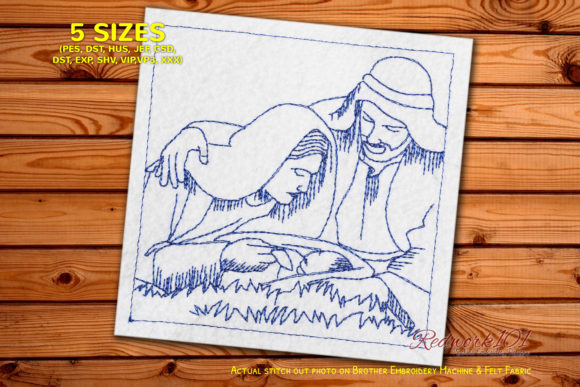
As a designer who creates personalized gifts, I always test a new embroidery design before it ever meets a customer's fabric. Today, I’m looking at the Nativity Scene with Holy Family Redwork machine embroidery design. My goal is to see how it would perform as a finished product in a real shop, destined to become a cherished keepsake. The first impression is immediate and warm. This design carries a quiet, classic charm. It’s not overly ornate, which gives it a handmade, sincere feel. The redwork style—typically a single color outline—lends a sweet, elegant simplicity that is both timeless and deeply emotional. It feels classic, not overtly seasonal, which means its appeal as a symbol of faith and family extends beyond just Christmas decor.
Where This Design Finds Its Home: Gift Ideas That Speak Softly
The true test of a digital embroidery file is its versatility across products. For a personalized gift shop, this design opens up beautiful avenues. Its serene subject matter makes it a natural choice for baby embroidery items like a christening gown hem, a nursery pillow cover, or a delicate blanket corner. For a wedding gift, stitching this onto a linen towel or a kitchen apron speaks to blessing a new home with faith and tradition. It’s perfect for family keepsakes: a framed hoop art piece, a custom tote bag for a churchgoer, or a decorative apron for a holiday gathering.
For sellers at craft fairs or on Etsy, this design translates into tangible products with strong stories. An embroidered towel or a pillow cover becomes a meaningful home decor item. As a small shop product, offering it on different bases—blankets, aprons, pouches—lets customers personalize their choice. Using a printable mockup of the design on a pillow in your Etsy listing can immediately show its gift potential. For baby product creators or wedding gift designers, this design adds a layer of thoughtful, custom embroidery that elevates a simple item into a heartfelt present.
A Note on Careful Application: Stitching for Success
While the mood is soft, the execution needs to be precise. The note that “The Box Stitch shown in picture is optional” is key. It reminds us that the outer box is often a separate color and can be skipped, which simplifies the design for smaller applications. However, this also means we must pay attention to the detail level. On fabrics with a lot of texture, like thick terrycloth towels, the finer lines might need a good stabilizer to stay crisp. On stretchy baby clothes, adequate stabilization is non-negotiable to prevent puckering.
Small details and any potential lettering within the scene must be checked after a test stitch. Embroidering on dark fabric requires careful thread color contrast; a traditional red might need to shift to a brighter shade or even white for visibility. Curved surfaces, like on a tote bag side, demand planning for hoop placement and stitch density to maintain the design's integrity. For products destined for frequent washing, like kitchen towels or aprons, a robust stitch density and quality thread will ensure the Nativity Scene with Holy Family Redwork lasts as long as the sentiment it carries.
Practical Steps Before the First Stitch
- Always test on scrap fabric identical to your final product fabric. This reveals how the embroidery file interacts with that specific texture.
- Check thread color contrast against both light and dark fabric backgrounds. Consider creating two mockups for your shop listings.
- Confirm the required hoop size by previewing the design in your software. A design that fits a smaller hoop expands its use on items like baby bibs.
- Review stitch density, especially if adapting the optional box stitch. Too dense on a thin blanket might cause stiffness.
- Use the proper stabilizer. A design with fine lines on a tea towel likely needs a cutaway stabilizer for durability.
- Check all small details, like facial features or delicate hands, after your test stitch to ensure they are clear and not lost.
- Most importantly, confirm commercial licensing for this digital embroidery file before selling any finished products. Your trust as a seller depends on this.
The Giftability Factor: Why This Design Resonates with Buyers
From a shop owner’s perspective, a design’s appeal directly affects perceived value and customer trust. The Nativity Scene with Holy Family Redwork inherently boosts giftability. It isn’t just decorative; it’s symbolic. This creates a strong emotional connection for the buyer, whether they’re purchasing for themselves or as a gift. That connection translates into a higher value perception for your handmade product.
In product photography, this design shines because its story is clear. A simple, well-lit photo of it stitched onto a neutral linen pillow tells the whole narrative. It engages buyers looking for something meaningful over something merely decorative. For engagement in an Etsy shop or at a fair, you can speak to its applications: “This design, stitched onto your chosen blanket, becomes a family heirloom.” That promise of a personalized gift builds trust in your craftsmanship. The handmade quality evoked by the redwork style assures customers of artisanal care, distinguishing your item from mass-produced goods.
Ultimately, the Nativity Scene with Holy Family Redwork is a design that asks for thoughtful application. It’s not a flashy, all-season logo; it’s a quiet, classic emblem. For the right customer—someone seeking a gift infused with faith, family, and gentle beauty—it will be exactly perfect. For you, the maker, it offers a versatile, emotionally resonant motif to build a range of cherished products around. Just remember the designer’s mantra: test, stabilize, and stitch with the end gift in mind. Your final product will then carry not just threads, but a story.