Floral Boxes Quilting Design for Embroidered Projects
The First Impression: A Modern, Structured Garden
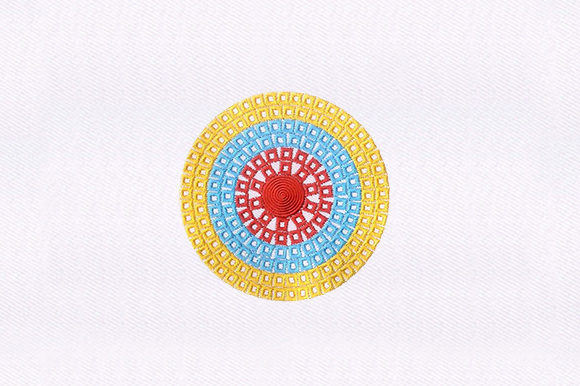
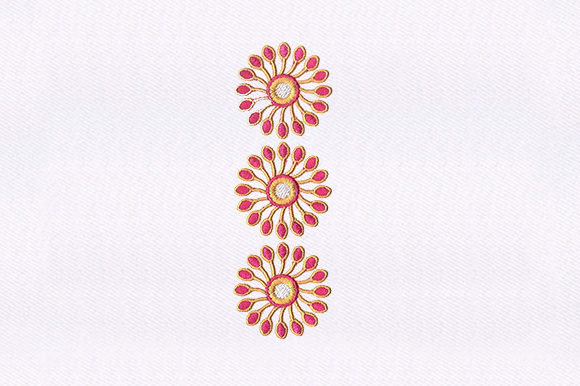
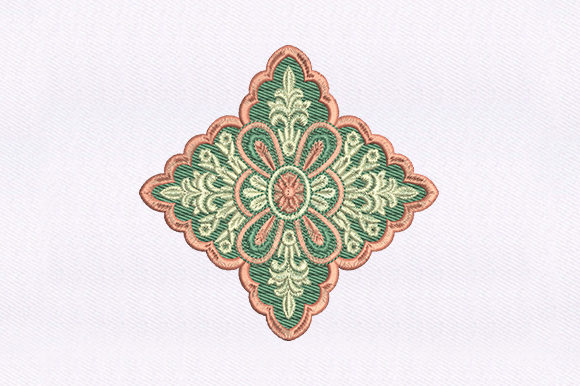
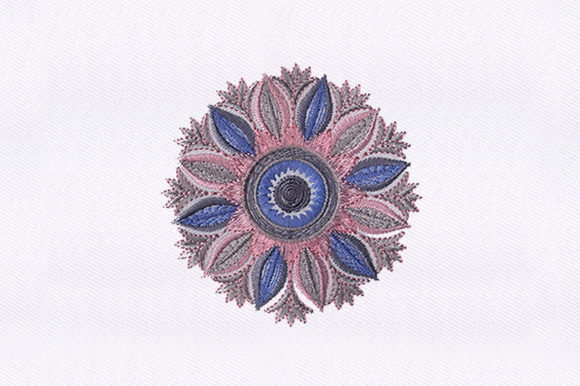
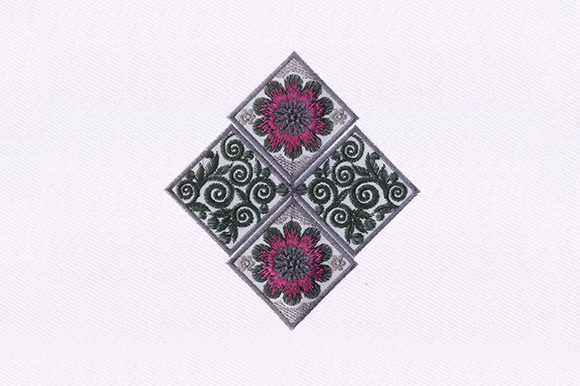
When I first opened the Floral Boxes Quilting Design, my immediate thought was "organized elegance." This isn't a wild, sprawling floral vine. It's contained, almost architectural, with flowers neatly presented within geometric borders. The mood it creates is contemporary yet soft, perfect for projects that need a touch of nature without feeling rustic or chaotic. The layout feels intentional, making it a strong candidate for items where the design is a focal point, not just an accent. The detail level is generous without being overwhelming—you can see the petal shapes and leaf outlines clearly, which promises good stitching clarity.
A Natural Fit for Boutique Home Goods and Gifts
This design naturally belongs to a category of products I'd call "calm luxury." It's ideal for bedroom-themed items, yes, like pillow covers or quilt blocks, but its appeal is broader. I pictured it immediately on a high-quality linen apron for a gourmet food boutique, or as a central motif on a canvas tote bag for a garden center. The structured boxes give it a framed, finished look that elevates simple items. For Etsy sellers and small shop owners, this visual personality translates well into products perceived as thoughtful and well-made—exactly what customers seek for personalized gifts or boutique merchandise.
Stitching It Into Reality: Performance Across Projects
Let's talk real-life application. I considered a scenario where a client requested custom embroidered gifts for a wedding party—something usable and beautiful. The Floral Boxes Quilting Design came to mind for tea towels and apron sets. Its balanced, repeatable structure would look cohesive across multiple items, reinforcing brand consistency for a maker. On a medium-weight cotton, like a kitchen towel or a pillow cover, this design would shine. The defined borders would hold up well with a satin stitch or a dense fill, creating a tactile, premium feel.
For apparel decorators, it's a compelling choice for the center back of a sweatshirt or on a durable tote bag. The design isn't overly delicate, so it can withstand the wear of a bag. For baby items or nursery decor, I'd be selective—perhaps on a special keepsake blanket, not on everyday wear, due to its potential stitch density. Its composition would make for a stunning, frame-ready embroidered patch, appealing to both crafters and buyers looking for a standalone accessory.
Where to Approach with Care
Confident execution requires knowing limits. This design, with its likely detailed corners and floral elements, demands careful handling on certain surfaces. I would avoid using it on small hoop sizes unless the file is specifically digitized for that. Stretchy fabrics like standard t-shirts could pose a challenge if the stitch count is high; puckering might distort those clean boxes. Similarly, very textured fabrics or dark backgrounds require extra planning for thread color contrast to maintain that visual clarity.
Curved surfaces, like caps, are a maybe. The linear boxes might need adaptation. The key is to never assume. Always test the design on scrap fabric first, replicating the exact final conditions: the same fabric, stabilizer, and hoop size. This is non-negotiable for commercial embroidery projects or any small business product where consistency builds customer trust.
Impact on Your Craft Business and Customer Appeal
Using a design like this effectively directly affects your product's value and your buyer's engagement. When stitched cleanly on a suitable substrate, the Floral Boxes Quilting Design conveys professionalism. It tells a customer that the maker paid attention to composition and finish. This boosts the handmade presentation from "homemade" to "artisan." For personalized gifts, such as a monogrammed pillow with this design as a border, the gifiability skyrockets—it feels curated.
For digital product sellers offering printable mockups or using the design in their own digital assets, its clean layout makes it a versatile background or focal point. Its recognizability becomes a subtle brand signature if used across a product line. However, this all hinges on technical execution. Poor stitch density management or wrong stabilizer choice can turn this elegant design into a stiff, unwieldy mess on the final product, undermining all that potential trust.
Practical Notes from the Hoop
- File Format Flexibility: The provided list of embroidery file formats, including PES, DST, and JEF, means wide machine compatibility, but always confirm your specific machine's preferred format before loading.
- Background Matters: Run mental—or actual—mockups. How does it look on a light linen versus a dark navy cotton? The answer dictates your thread palette. Sometimes a design needs a slightly different color scheme than the preview suggests to pop on dark fabric.
- Licensing is Key: Before selling finished items or incorporating this into commercial embroidery, confirm the licensing terms of the design. Not all files are automatically licensed for commercial end products.
- Think Beyond the Preview: The true test is in the stitch. Inspect small details in your test run. Are the flower centers distinct? Do the box lines connect smoothly? This pre-check prevents disappointing outcomes in client projects or craft fair products.
In the end, the Floral Boxes Quilting Design offers a blend of modern form and natural theme that can elevate a wide range of embroidery projects. Its success, however, lies entirely in the hands of the embroiderer. Match it with the right project, fabric, and meticulous technique, and it becomes a reliable asset for hobbyists creating heirloom gifts and entrepreneurs building a cohesive brand. Treat it as a versatile component, not a one-size-fits-all solution, and your finished products will carry that confident, observant touch customers appreciate.