Little Devil Redwork Design Review for Craft Fair Success
From a professional embroidery designer's perspective, evaluating a design like the Little Devil Redwork Design before committing it to production is a critical step. When preparing for a weekend craft fair, every product on your table must earn its spot. It needs to be visually compelling, commercially viable, and efficiently producible. Let's walk through a real-world review of this Halloween embroidery file, imagining it applied to the typical booth lineup of tote bags, aprons, tea towels, patches, caps, and pillow covers.
First Impression & Market Positioning
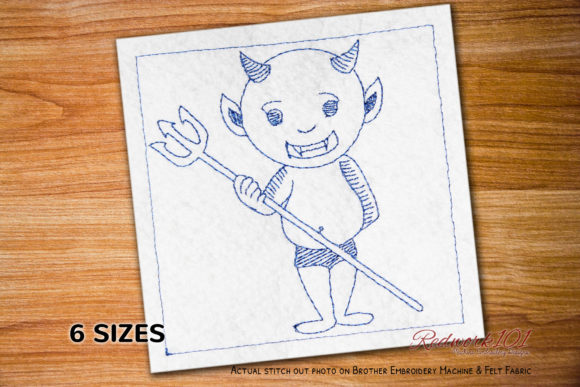
The title "Little Devil Redwork Design" immediately suggests a playful, cute, and festive character. Redwork traditionally implies a single-color scheme, which can be elegant and striking. This design leans into a humorous, decorative Halloween mood rather than a spooky or premium one. It feels handmade-friendly and has a soft, almost folk-art charm. For a craft fair, this is a strong starting point. It’s easily understood at a glance and taps into the seasonal, giftable niche without being overly intimidating or complex.
This design would stand out on a table amidst more generic Halloween motifs because its "little devil" concept is specific and character-driven. Customers browsing a handmade market are drawn to personality. A cute devil, executed in clean redwork, can create an instant emotional connection—it’s funny, it’s festive, and it feels unique compared to standard pumpkins or ghosts. This emotional hook is key for buyer engagement.
Product Application & Where It Shines
The real test is how the Little Devil Redwork Design translates onto physical products. Your choice of base product dramatically affects its selling power and perceived value.
Top Performers for Sales & Display
- Tote Bags & Market Bags: This design would excel here. A single, well-placed devil on a neutral or dark tote bag creates a fantastic focal point. The handmade quality is evident, and the product utility (the bag itself) coupled with the decorative art makes for a strong value proposition.
- Aprons & Kitchen Towels: For a festive Halloween kitchen, this is a perfect accent. On an apron, it becomes a conversation piece at a party. On a tea towel, it’s a quick, decorative gift. The design likely works well as a medium-sized element on these fabric textures.
- Embroidered Patches: This is a potential high-volume item. A Little Devil patch is versatile—it can be ironed onto anything, appealing to a broader audience. It’s also a lower-cost entry point for customers, which can boost booth traffic.
- Pillow Covers & Small Pouches: These items lean into the decorative, home-décor side. A pillow with this design becomes a seasonal accent pillow, while a pouch is a cute, giftable functional item. Both highlight the embroidery as a premium, handmade touch.
Considerations for Other Products
- Caps: Embroidering on curved cap surfaces requires careful stabilization. The design's clarity must be checked at the intended size—small, intricate details or tiny lettering might lose definition on the cap’s textured fabric.
- Dark Fabrics: If the design is true redwork (single color), thread contrast is paramount. On black or navy fabric, a bright red thread would pop beautifully, but you must test stitch density to ensure it doesn't get lost.
The description notes that "The Box Stitch shown in picture is optional" and that the outer box color can vary or be skipped. This flexibility is excellent for production. It allows you to adapt the design to the product—maybe you include a simple box border on a tea towel for a framed look, but skip it entirely on a tote bag for a cleaner, more modern feel. This adaptability increases the design's repeatability for batch production across different product types.
Practical Production & Selling Points
Turning a digital embroidery file into a lineup of craft fair products requires a practical lens.
Batch Production & Efficiency
The Little Devil Redwork Design, being a character-based redwork, likely has manageable stitch counts and a limited color palette. This is ideal for batch production. You can efficiently run multiple tote bags or patches without excessive thread changes or time consumption. Before committing, however, you must verify the actual stitch density and intended hoop size from the file itself. Dense stitch areas on thick fabrics like canvas for tote bags require the correct stabilizer to prevent puckering and ensure a professional finish.
Photography & Online Listings
For Etsy sellers and digital sellers using printable mockups, this design should photograph well. A clean, single-color design on a contrasting fabric background creates a strong, clear image for online listings. The cute theme is easily communicated in a thumbnail. Creating at least one real physical mockup—not just a digital preview—is crucial. It allows you to see how the stitches interact with real fabric texture and to compare fabric colors for the best contrast. This real sample also becomes a powerful booth display piece, demonstrating tangible handmade quality.
Booth Display Strength
In your craft fair booth, a cohesive product line built around this design creates brand consistency. Imagine a display with a devil-embroidered tote bag hanging prominently, matching patches pinned to a board, and a stack of embroidered tea towels folded neatly. The repetition of the charming motif across different products types signals professionalism and creative focus, drawing customer attention and encouraging them to browse the entire collection.
Critical Designer Notes Before Production
As a final step in your review, here are the essential checks every embroidery business owner should perform:
- Test on Scrap Fabric: Always stitch the Little Devil Redwork Design on a scrap of the actual fabric you plan to use (e.g., canvas for bags, linen for towels). This reveals any issues with tension, stabilizer needs, or clarity.
- Check Thread Contrast: Evaluate the chosen thread color against your product fabric colors. On light fabrics, a dark red might be needed; on dark fabrics, a bright, vivid red is essential.
- Review Spacing & Scale: Determine if the design works best as a small accent or a large focal point. Stitch it at different scales if possible to see where it retains its charming details without becoming blurry or overly sparse.
- Confirm Commercial Use: The product description does not specify license terms. Before selling finished products at a fair or online, you must confirm that the digital embroidery file is licensed for commercial embroidery use. This is a fundamental step for boutique makers and creative entrepreneurs.
- Inspect for Tiny Details: Look closely at the design file for any exceptionally small elements. On textured fabrics like towels or on curved surfaces like caps, these tiny details might not stitch out cleanly, affecting the final product's premium feel.
In conclusion, the Little Devil Redwork Design presents a strong opportunity for Halloween-themed craft fair products. Its cute, festive character, redwork simplicity, and described flexibility make it a versatile candidate for a range of handmade products. By focusing its application on standout items like tote bags, patches, and kitchen textiles, and by rigorously following pre-production testing protocols, you can transform this digital design into a cohesive, attractive, and profitable product line for your booth. Its visual appeal is direct, its production seems manageable, and its seasonal theme is a reliable driver of customer attention and engagement at any handmade market.